Feeling exhausted and out of energy? Not sure why? A comprehensive vitamin deficiency test could be your answer.
If you’re constantly tired and drained, and you suspect a vitamin deficiency, a comprehensive vitamin profile test can help identify deficiencies in essential vitamins and minerals. This way, you can take the necessary steps to get your body back on track.
There are various tests available to measure your levels and absorption of these vitamins and minerals. Blood and urine tests help determine if you’re getting and absorbing the nutrients your body needs.
In previous articles we covered blood work acronyms, uterus and fallopian tube tests, how endoscopy works, the Complete Blood Count Procedure, and today is a new guide you will find helpful. In this article, we will address common questions related to vitamins and minerals, such as:
- What are vitamins and minerals, and what role do they play in the body?
- What is a comprehensive vitamin deficiency test?
- Which vitamins are essential for the body?
- What are the key minerals the body needs?
- What are the symptoms of a vitamin B12 deficiency?
Ready? Let’s go!
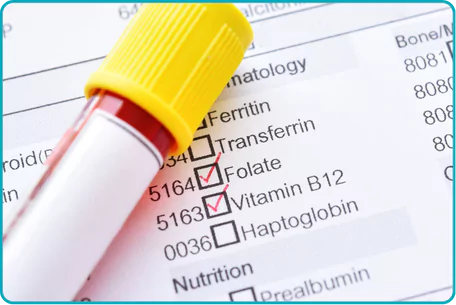
Vitamins and Minerals: What Role Do They Play in your Body?
Vitamins and minerals are essential nutrients required in your daily diet. There are 13 essential vitamins and numerous minerals necessary for the body to function correctly and maintain overall health. These nutrients combine to perform hundreds of tasks within the body.
Vitamins play a crucial role in:
- Growth and development
- Wound healing and repair
- Maintaining healthy bones and tissues
- Ensuring the immune system functions properly
- Vitamins also act as catalysts in energy production, helping the body to utilize carbohydrates and fats effectively.
A deficiency in any of these nutrients can lead to diseases such as scurvy, rickets, and blindness. On the other hand, consuming them in excessive amounts can cause toxicity.
Types of Vitamin Deficiency Tests
Various vitamin tests measure different vitamin levels in the body. The most common tests are for vitamins A, B12, and D.
- Vitamin A Tests: These measure retinol levels, the form of vitamin A stored in the liver.
- Vitamin B12 Tests: These measure cobalamin levels, the active form of vitamin B12.
- Vitamin D Tests: These measure 25-hydroxyvitamin D levels, the form of vitamin D circulating in the blood.
- Folic Acid Test: This measures folic acid levels in the blood, crucial for diagnosing folic acid deficiency, which can cause birth defects and neural tube defects in fetuses.
- Vitamin C Test: This measures vitamin C levels in the blood to assess the risk of deficiency or toxicity.
Methods of Conducting Vitamin Tests
Several tests can check vitamin levels, depending on what your doctor is looking for. The most common test is a blood test, but urine and hair tests are also used.
- Blood Tests:
- Measure vitamin levels in the blood.
- Determine how well the body absorbs these vitamins.
- Urine Tests:
- Show the amount of a specific vitamin excreted by the body.
- Help determine if you’re consuming too much or too little of a particular vitamin.
- Hair Tests:
- Measure levels of certain vitamins stored in hair follicles.
- Understand how well the body uses the vitamins you consume.
Vitamin testing is generally safe with minimal risks. The most common side effect is bruising at the needle site for those who have blood drawn for the test.
Why Does a Doctor Order a Vitamin Test?
A vitamin test provides the following benefits:
- Early detection of deficiencies and improved nutritional status
- Monitoring the effectiveness of supplements and the body’s response
- Identifying foods or supplements to consume more or less for better nutrient intake
Symptoms and Conditions Prompting a Comprehensive Vitamin Profile Test
Your doctor might recommend a comprehensive vitamin test if you have:
- Symptoms of vitamin deficiency like fatigue, muscle weakness, joint pain, or brittle nails.
- Digestive disorders that reduce nutrient absorption, such as Crohn’s disease or celiac disease.
- Routine monitoring for patients at risk of vitamin deficiency, such as pregnant women, nursing mothers, children, and the elderly.
- Use of certain medications that decrease nutrient consumption, like proton pump inhibitors.
- Living in low-sunlight areas.
- Following a vegetarian or unbalanced diet.
- Excessive alcohol consumption.
- Chronic stress.
- Family history of certain vitamin deficiencies.
- Chronic diseases.
Sources of Vitamins: How Does Your Body Get Them?
Humans can’t live without vitamins and minerals, nor can our bodies produce them independently (except for vitamin D and vitamin B3). Therefore, you must consume them in the required amounts through a healthy and varied diet or supplements in extreme cases to maintain health.
Here’s a table showing vitamin types, their sources, and the diseases caused by their deficiency:

Normal Vitamin Levels in Your Body
To stay healthy, your body needs sufficient vitamins. Below is the target range for each vitamin:
| Vitamin | Daily Recommended Intake |
|---|---|
| Vitamin A | 5000 IU for all ages |
| Vitamin B12 | 250 mcg for adults |
| Vitamin C | 500 mg |
| Vitamin D | 250 IU for adults |
| Vitamin E | 200 IU for adults |
| Vitamin B6 | 250 mcg for adults |
Types of Vitamins the Body Needs
There are two types of vitamins: fat-soluble and water-soluble.
| Fat-Soluble Vitamins | Water-Soluble Vitamins |
|---|---|
| These vitamins need fat to be absorbed. | These vitamins need water to be absorbed. |
| Stored in body fat cells, such as the liver. | Not stored in the body; excess is excreted in urine. |
| No daily intake is necessary. | Must be replenished regularly. |
| Vitamins A, D, E, K. | Vitamin C, B vitamins. |
Types of Minerals the Body Needs
Minerals are essential for three main reasons:
- Building strong bones and teeth.
- Regulating body fluids inside and outside cells.
- Converting the food you eat into energy.

How Can I Tell If I Have a Vitamin D Deficiency Without a Test?
Symptoms of vitamin D deficiency may include:
- Fatigue
- Poor sleep
- Bone pain or aches
- Depression or sadness
- Hair loss
- Muscle weakness
- Loss of appetite
- Low immunity
- Pale skin
If you experience any of these symptoms, confirm a vitamin D deficiency with a test.
What Are the Symptoms of Vitamin B12 Deficiency?
Symptoms of vitamin B12 deficiency include:
- Fatigue, exhaustion, and discomfort
- Tingling in feet and hands
- Depression, paranoia, and other behavioral issues
In conclusion, if you suspect a deficiency in certain vitamins and minerals, consult your doctor or a nutritionist for a comprehensive vitamin test. Adjust your diet and lifestyle and take supplements when necessary.
![Complete Blood Count [CBC] | Facts +Red Fags + How To Read](https://medicsww.com/wp-content/uploads/2024/05/تحليل-الدم-الشامل-150x150.webp)